さらしなの里
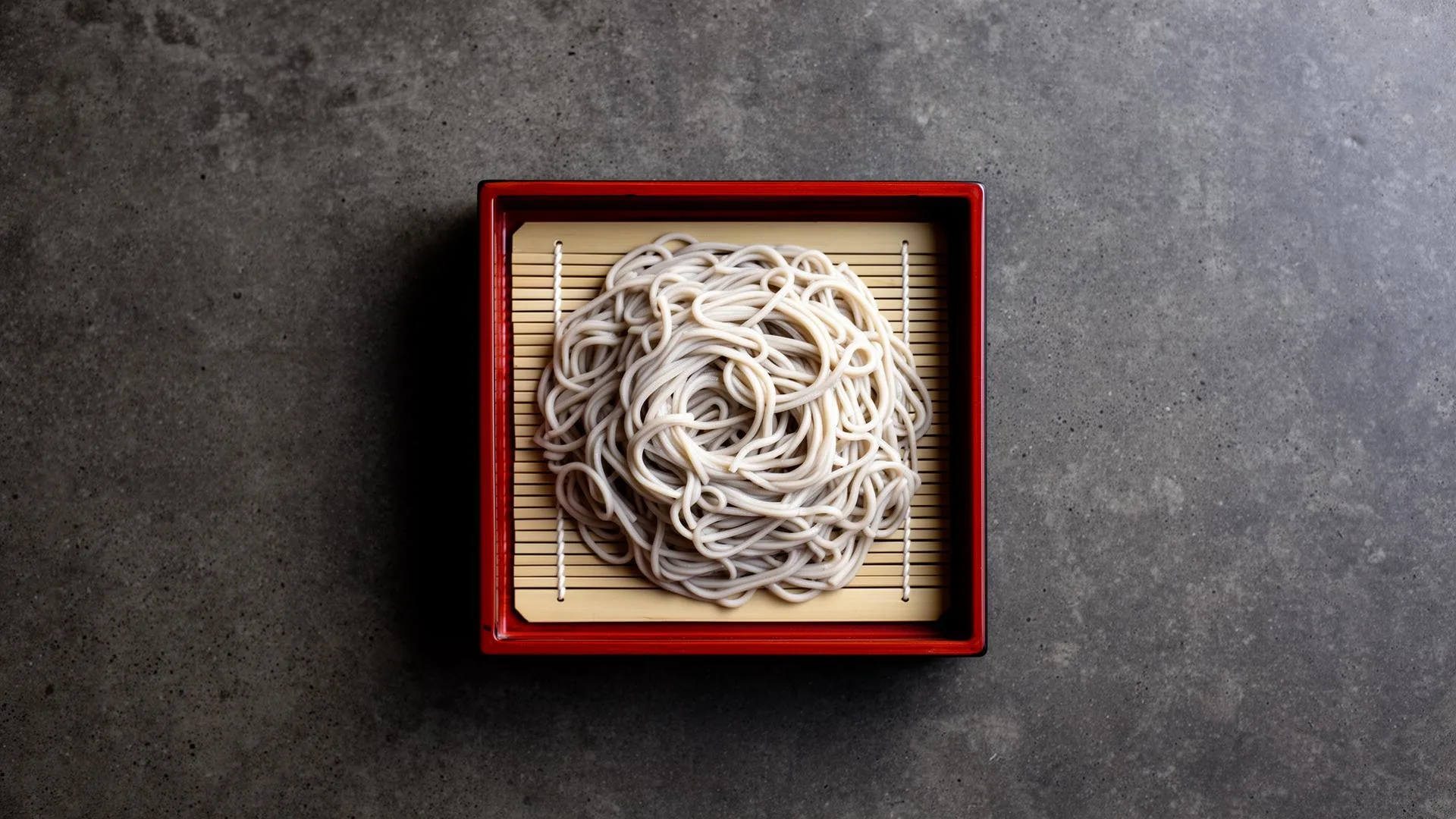
↓ SCROLLFor one hundred and twenty-six years, four generations of one family have milled buckwheat by hand inside the same square of land in Tsukiji. The flour is sifted before sunrise. The dough is folded, rested, rolled, and cut while the city is still quiet. By six in the morning the first seiro is ready.
そばは、建物と人の手から生まれる。
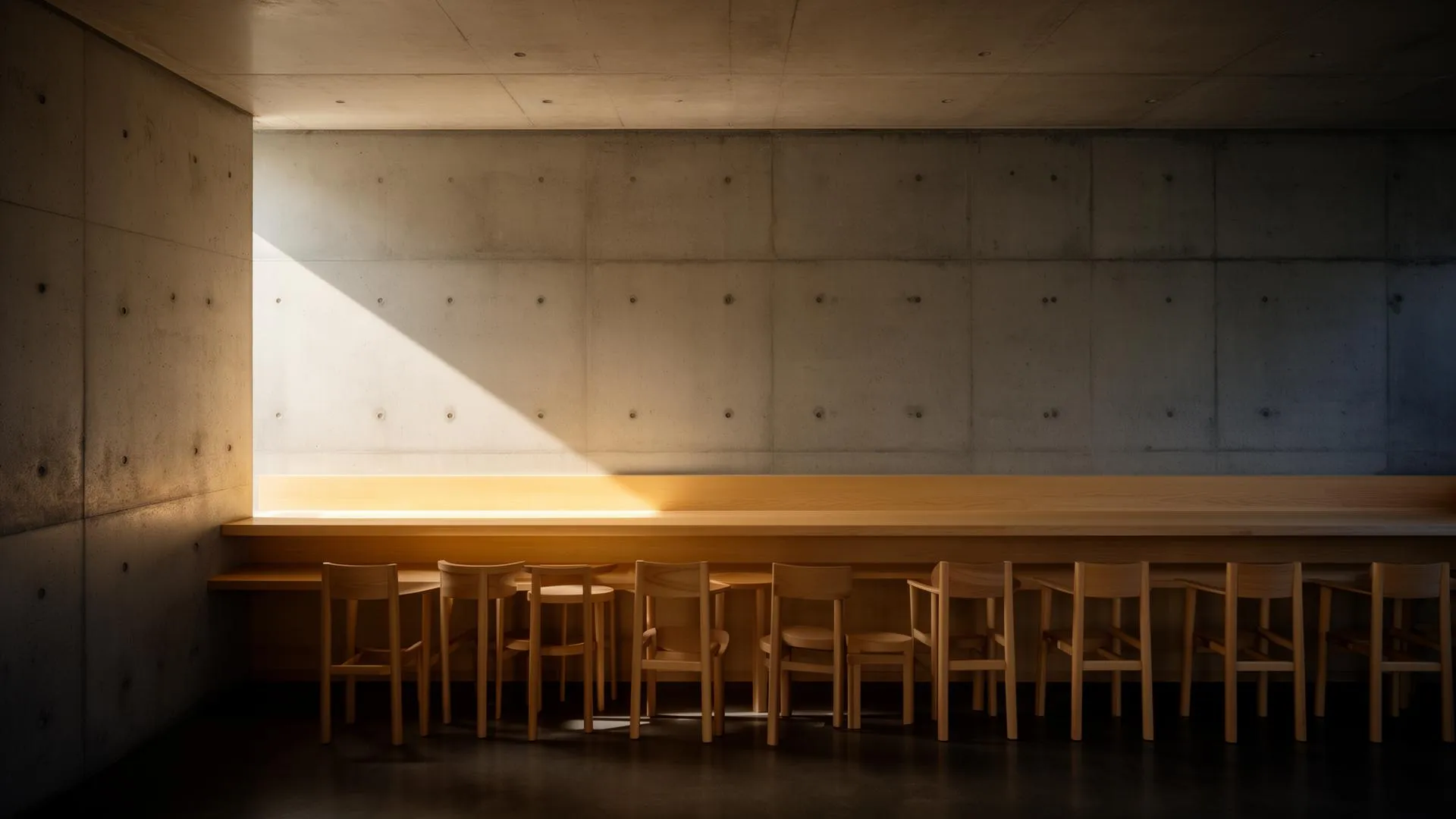
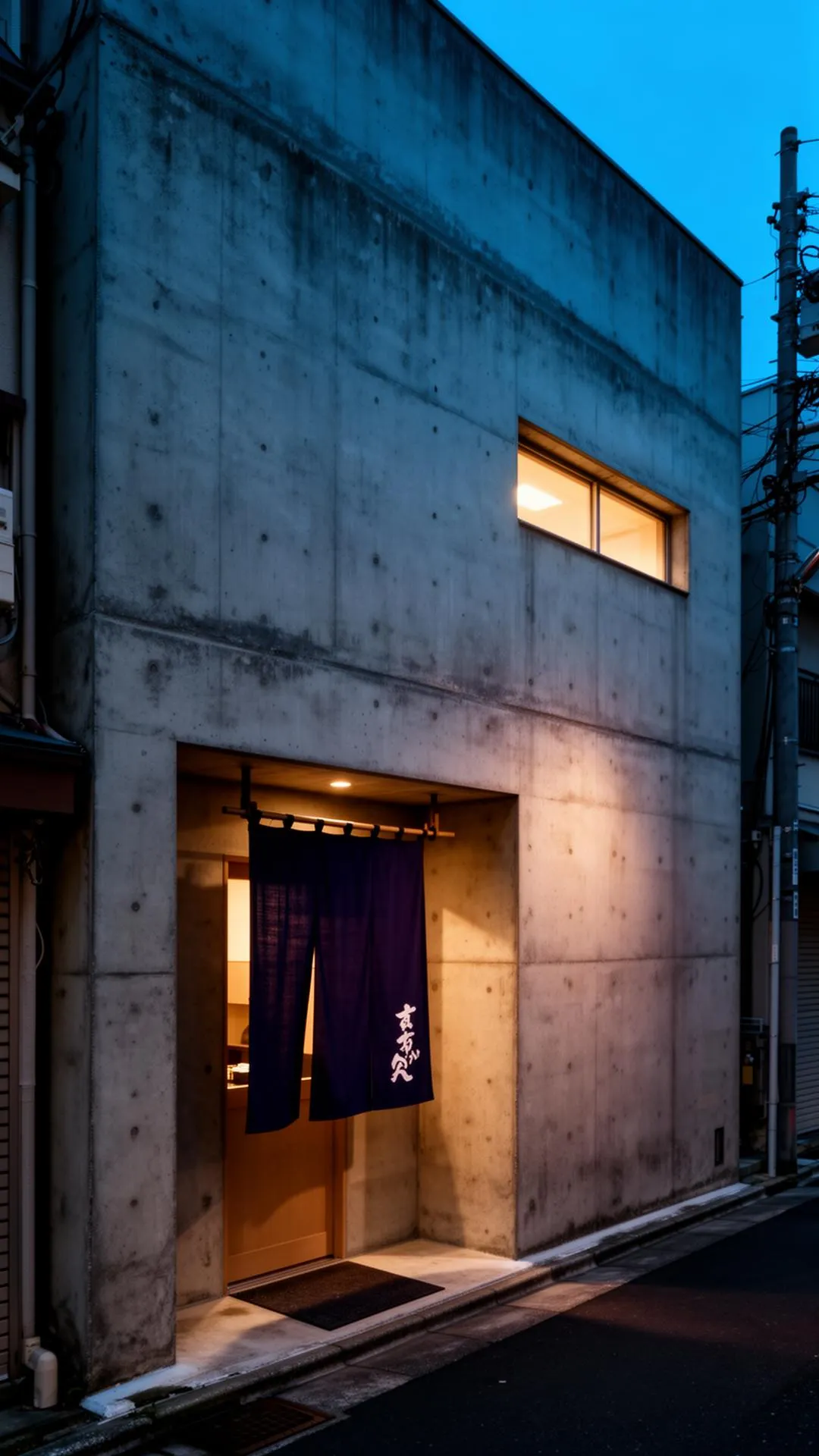
The building itself was poured in 1977 by the second-generation owner, who drew the plans on graph paper and stood beside the workers as the concrete cured. Its proportions are modest, its surfaces honest, and it has never been remodelled. The counter is a single plank of Japanese cypress.
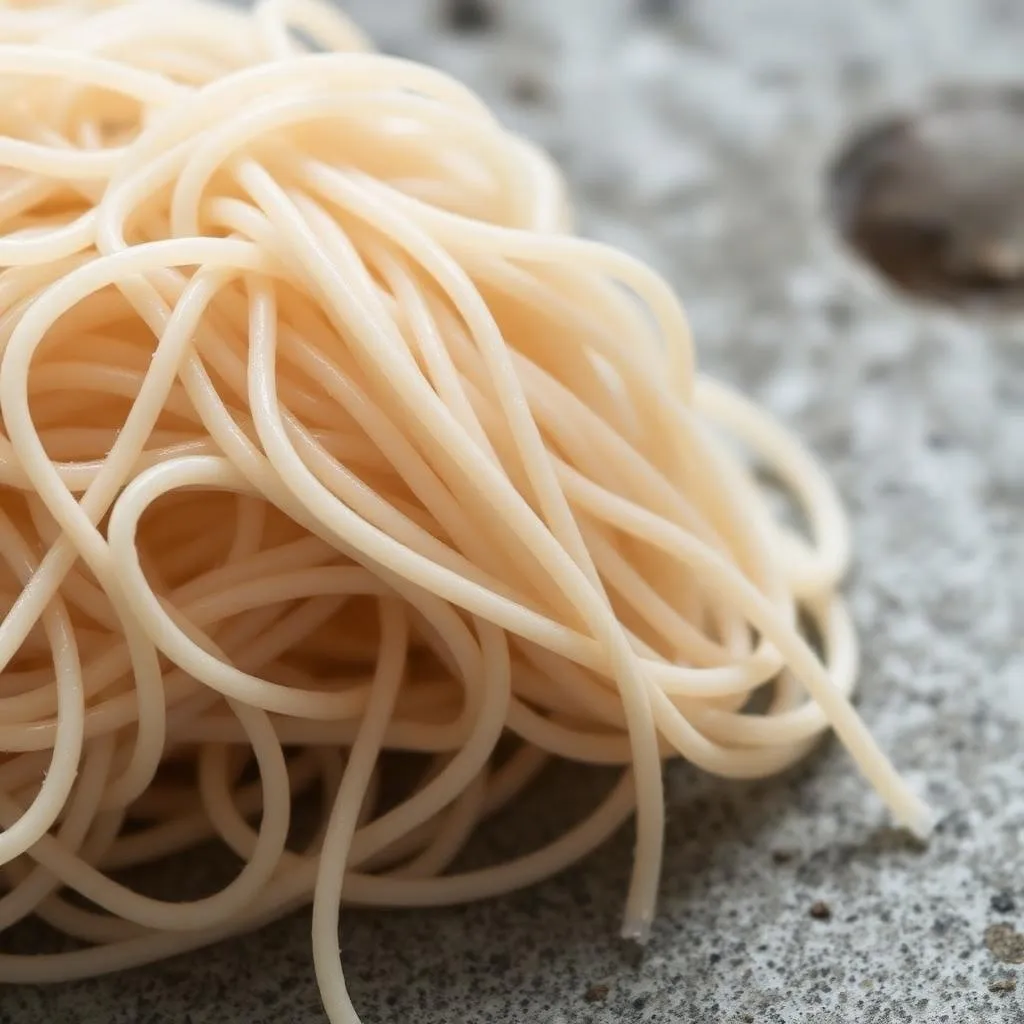
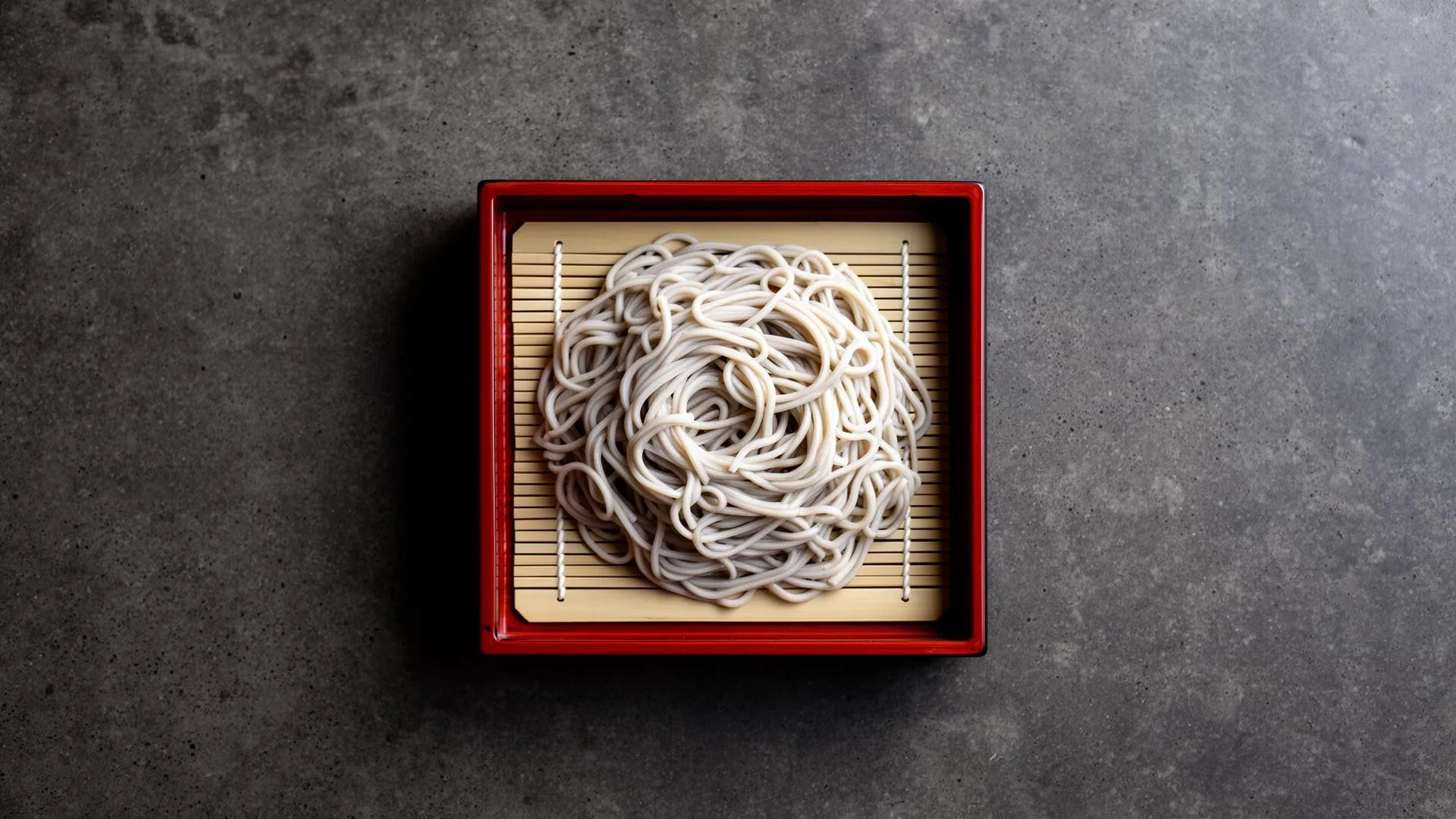
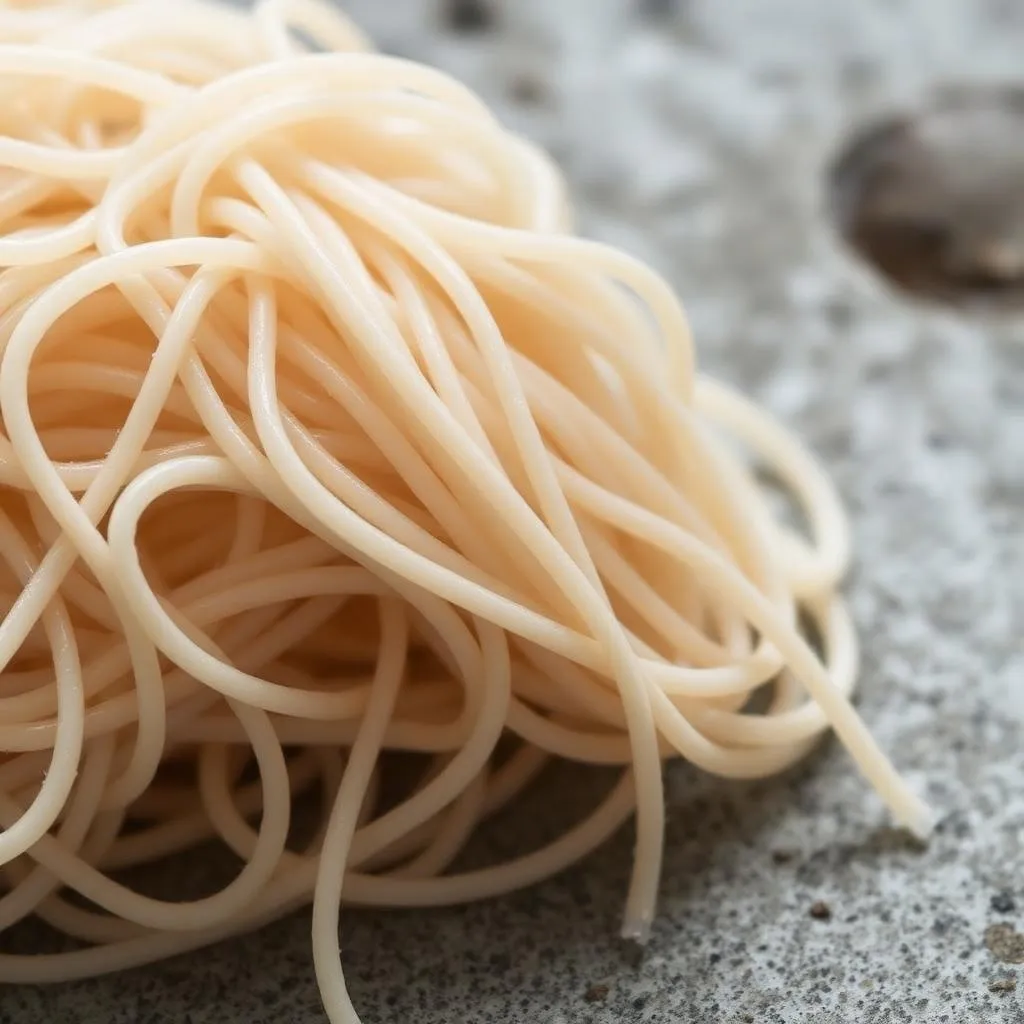
Nothing here is decorative. Sarashina soba — pale, almost translucent — demands restraint at every step: the temperature of the water, the angle of the knife, the brevity of the boil. We make it the way it was made the day we opened. We do not intend to change.
Sarashina is the inner core of the buckwheat seed — the whitest, the most delicate part of the grain. It is rolled thin, cut to one and a half millimetres, and served at the temperature of the room.